By: Margie Muñoz
Community Relations Manager
Panama Canal Museum
The Canal Museum is more than an exhibition space. It is a place for learning, reflection, and dialogue, where Panama's tangible and intangible heritage is researched, interpreted, and valued. Our mission is to generate memorable experiences that foster personal and collective growth and contribute significantly to the educational and cultural development of our country.
Uno de nuestros pilares fundamentales es la educa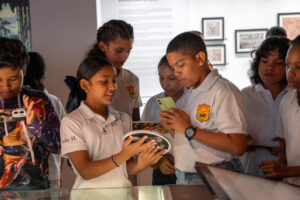 One of our fundamental pillars is education. Therefore, we work with a firm commitment to the educational community, forging strategic alliances that allow us to respond to the needs of teachers and students on this shared learning journey.
Our educational program emerges from a descriptive research process about what is learned and how it is learned in the subject of history, with a focus on the history of the Panama Canal, which will be held in 2023. Through this program, we identified the need to reconstruct, improve, and expand the knowledge and tools available to stakeholders in the educational system. This program aims to offer meaningful educational experiences that recognize learning beyond the classroom, integrating history and culture as drivers of critical reflection. The research study reports the difficulties teachers face in achieving improved learning outcomes for students, such as: lack of training (71%), missed experiences due to not being able to visit the museum (43%), and, to a lesser extent, lack of teaching materials (36%). Other factors include protocol for school field trips, transportation, food, and lodging options, and economic factors. These types of situations prevent students from expanding their opportunities to experience cultural spaces that support their growth.
Through the Educational Program, the Museum seeks to respond to these needs by providing carefully designed activities to address different educational levels. Through guided tours, workshops, recreational activities, and educational resources, we seek to enable participants to learn, question, integrate, and enrich their knowledge.
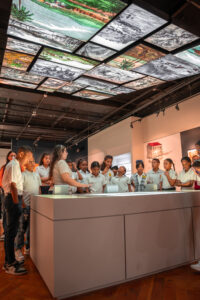
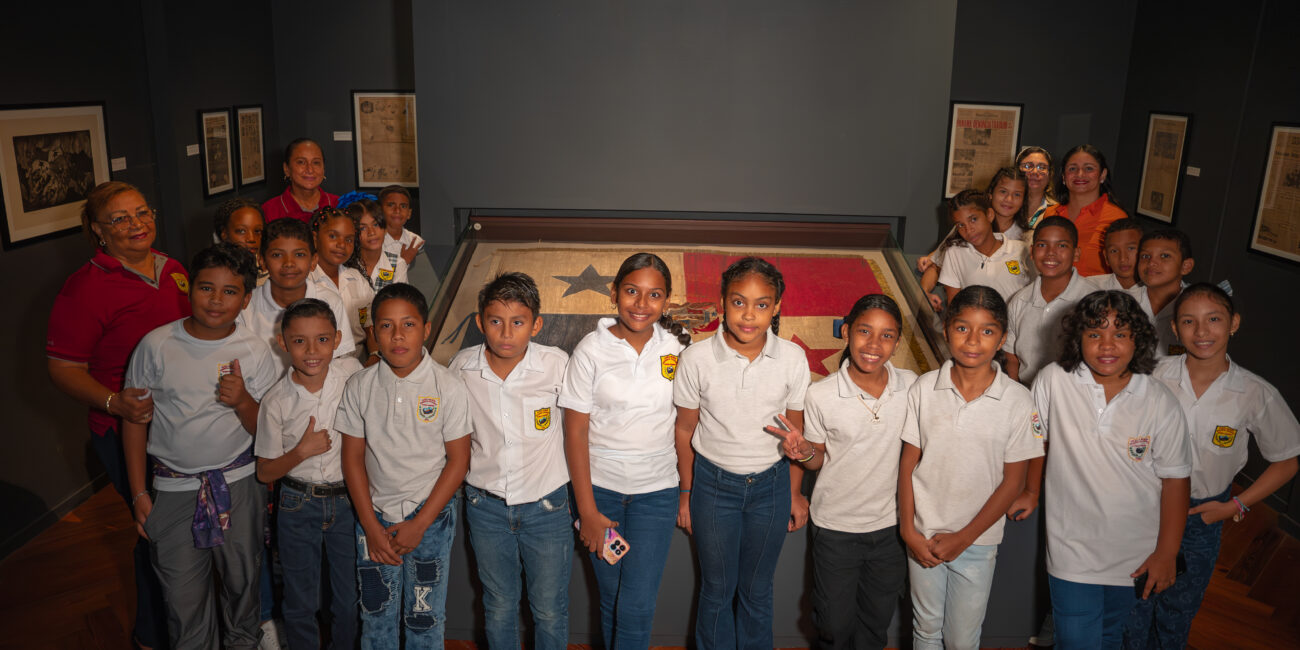
Over the past two years, the educational program has had a notable impact, reaching more than 6,000 students and teachers from various educational centers across the country, not including schools that have the opportunity to visit the Museum on their own. This achievement reflects our commitment to inclusive and accessible education for all, especially for communities without access to cultural spaces. We are proud to welcome schools from regions that, for the first time, have been able to visit a museum and experience history firsthand.
At the Museum, we encourage children, youth, and adults to connect with the history of Panama and the Canal, understand its relevance today, and feel inspired to imagine and build a more just and participatory country for its future.
We are committed to continuing to expand our educational initiatives and reach more communities. Because we believe that culture transforms and a Museum keeps its history alive.